As winter's chill descends across China, the allure of steaming natural hot springs becomes irresistible to travelers seeking warmth and rejuvenation. Beyond the commercialized spa resorts lies a world of genuine geothermal wonders—natural springs where mineral-rich waters bubble from the earth, each with unique therapeutic properties and distinct environmental characters. This report delves into China's most remarkable natural hot springs, evaluating both water quality and surrounding ecology to guide discerning visitors toward authentic and sustainable soaking experiences.
The northeastern region, particularly Heilongjiang and Jilin provinces, boasts some of China's most pristine volcanic hot springs. The Wudalianchi Geothermal Field, formed by ancient volcanic activity, discharges carbonated sodium-bicarbonate waters at temperatures averaging 40°C. What sets these springs apart is their exceptional clarity and high concentration of trace elements like strontium and metasilicic acid, proven to benefit musculoskeletal health. The surrounding protected volcanic landscape remains refreshingly undeveloped, with frozen waterfalls and snow-clad birch forests creating a breathtaking winter panorama. Local conservation efforts ensure that drainage systems prevent contamination, maintaining water purity while supporting habitat for rare bird species.
Moving southward, the Tibetan Plateau reveals geothermal phenomena of extraordinary scale. Yangbajing Hot Springs, nestled at 4,300 meters elevation, features erupting geysers and turquoise pools against the majestic backdrop of the Nyenchen Tanglha Mountains. The water here is distinctly sulfurous, carrying the distinct scent of minerals forged deep within the Himalayan crust. While the high-altitude environment presents challenges with oxygen scarcity, the therapeutic rewards are exceptional—natural selenium and lithium content helps alleviate altitude symptoms while improving circulation. The fragile ecosystem demands respectful visitation, as the surrounding permafrost terrain supports unique Tibetan wildlife including blue sheep and snow leopards.
Yunnan's Tengchong volcanic region presents a dramatic contrast with its lush subtropical setting. Here, the Rehai (Hot Sea) geothermal field features boiling fumaroles, mud volcanoes, and numerous natural bathing pools. The waters are notably acidic, rich in sulfur and potassium, particularly effective for dermatological conditions. What makes Tengchong extraordinary is its biodiversity—hot springs emerge within tropical rainforests where endangered Phayre's leaf monkeys roam. Recent monitoring shows excellent water quality preservation despite growing tourism, thanks to innovative natural filtration systems using wetland plants to absorb excess minerals before release into local watersheds.
Coastal hot springs offer entirely different experiences, particularly along the Liaodong Peninsula. The Dalian温泉 blend seawater with geothermal springs, creating sodium-chloride waters with exceptional buoyancy and skin-softening properties. These unique tides-fed springs change mineral composition with lunar cycles, providing varying therapeutic benefits throughout the month. The coastal environment introduces challenges with microplastic pollution, though local initiatives using bio-friendly construction materials and strict waste management maintain ecological balance. Winter visitors often enjoy the surreal experience of soaking in hot pools while watching snow-dusted waves crash against nearby cliffs.
Central China's Hubei province reveals hidden geothermal gems within the Shennongjia UNESCO Biosphere Reserve. The springs here emerge from deep limestone aquifers, producing clear, alkaline waters saturated with calcium and magnesium. These elements create natural soothing effects for nervous system conditions, enhanced by the pristine old-growth forest environment that produces exceptionally high air quality. Conservation measures are particularly stringent here, with visitor numbers limited and all facilities built using traditional stilt architecture to minimize ground disturbance. The result is an immersive natural experience where bathers might spot golden snub-nosed monkeys drinking from adjacent cold streams.
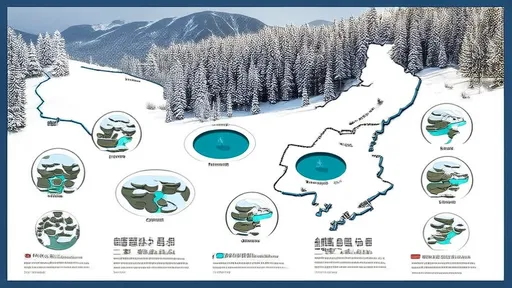
Water quality assessment reveals fascinating regional variations. Northeastern volcanic springs generally show neutral pH levels (6.5-7.5) with high mineral diversity but low heavy metal content. Tibetan springs are more alkaline (pH 7.8-8.5) with remarkable radon concentrations beneficial for metabolic conditions. Southern springs tend toward acidity (pH 5.0-6.5) with stronger sulfur presence. Regular testing by regional environmental bureaus shows consistent compliance with national standards for recreational water quality, though mineral content naturally fluctuates with seismic activity and seasonal rainfall patterns.
Environmental preservation remains the critical challenge for these natural wonders. The most successful sites employ passive heating systems using geothermal energy for facilities, zero-discharge water management, and biodegradable cleaning protocols. Several locations have introduced innovative wildlife corridors allowing animals to bypass developed areas while maintaining migration routes. Community involvement proves crucial—many hot spring villages have transitioned from logging to conservation-based tourism, employing local residents as environmental guardians who monitor water quality and protect surrounding forests.
For travelers seeking authentic experiences, timing and approach make all the difference. Winter weekdays typically offer quieter visits, particularly during early mornings when steam rises dramatically against cold air. Choosing locally-owned accommodations instead of international chains often provides better access to lesser-known springs while directly supporting conservation efforts. Bringing reusable containers and avoiding skincare products before soaking helps maintain water purity. Most importantly, selecting springs within protected areas ensures both exceptional water quality and breathtaking natural settings.
China's natural hot springs represent far more than mere recreational destinations—they are living laboratories where geology, ecology, and human wellness intersect. From the volcanic north to the Himalayan heights, each spring tells a story of planetary forces and environmental harmony. As winter embraces the landscape, these steaming oases invite us to witness Earth's inner warmth while reminding us of our responsibility to protect these fragile natural wonders for generations to come.
By /Aug 22, 2025

By /Aug 22, 2025
By /Aug 22, 2025

By /Aug 22, 2025

By /Aug 22, 2025

By /Aug 22, 2025

By /Aug 22, 2025
By /Aug 22, 2025

By /Aug 22, 2025

By /Aug 22, 2025
By /Aug 22, 2025
By /Aug 22, 2025
By /Aug 22, 2025

By /Aug 22, 2025

By /Aug 22, 2025
By /Aug 22, 2025

By /Aug 22, 2025
By /Aug 22, 2025

By /Aug 22, 2025

By /Aug 22, 2025
