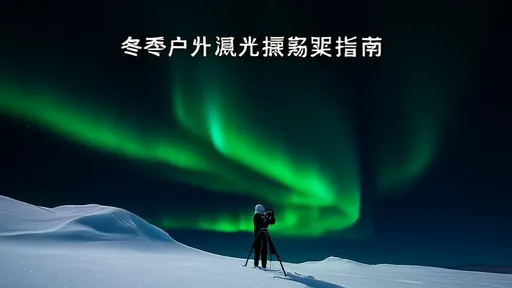
Chasing the aurora borealis in Mohe, China's northernmost city, is an experience that blends natural wonder with raw adventure. Nestled against the Russian border in Heilongjiang province, this remote frontier town transforms into a magnet for aurora hunters from across the globe during the long winter nights. The dance of green and purple lights across the Arctic sky isn't just a visual spectacle; it feels like touching the edge of the universe itself.
Mohe's unique geographical position makes it one of the few places in China where the northern lights are visible. Located at approximately 53 degrees north latitude, it sits within the auroral oval—the ring-shaped region around the North Pole where aurora activity is most frequent. While not as predictable as destinations in Scandinavia or Alaska, Mohe offers a distinctive charm with its frozen rivers, snow-blanketed forests, and the eerie silence of the Arctic wilderness.
The best time to witness this celestial phenomenon is between late September and early April, when the nights are longest and darkest. The peak season typically falls from December to February, when temperatures plunge but the skies are often clearest. Solar activity plays the most crucial role in aurora visibility. While Mohe's latitude means weaker displays than in higher-latitude destinations, during periods of strong geomagnetic storms (Kp index of 4 or higher), the auroras can become spectacularly vibrant, sometimes even appearing as crimson curtains dancing overhead.
Timing your expedition requires patience and flexibility. The lights most commonly appear between 10 PM and 2 AM, though nature follows no strict schedule. Many successful hunters spend multiple nights waiting, often in temperatures that can drop below -40°C. Cloud cover is your greatest enemy—even with intense solar activity, overcast skies will obscure the show. Monitoring space weather forecasts through apps or websites becomes as essential as checking local weather conditions.
Surviving Mohe's extreme cold is non-negotiable for aurora chasing. The proper gear isn't about comfort—it's about safety. Layering is the golden rule. Start with moisture-wicking thermal underwear, followed by insulating layers like wool or fleece, and finish with a windproof and waterproof outer shell. Down-filled parkas are highly recommended for their superior insulation. Don't underestimate the importance of extremities: insulated waterproof boots with thick wool socks, heated gloves, and balaclavas are essential. Heat packs for hands and feet can make the difference between lasting five minutes or five hours outdoors.
Beyond clothing, practical considerations abound. Cameras require special attention—batteries drain astonishingly fast in extreme cold. Keep spares warm in inner pockets and change them frequently. Tripods are mandatory for long-exposure aurora photography. Some seasoned hunters even wrap their camera bodies in insulating material to prevent freezing. Hydration is often overlooked in cold weather, but carrying thermoses with warm drinks is crucial for maintaining core temperature during long nights of waiting.
The human element of aurora chasing in Mohe creates its own unique culture. Local guides—often lifelong residents—possess invaluable knowledge about weather patterns and the best vantage points. Places like Arctic Village and Beihong Village have become hubs for aurora tourism, offering basic accommodations and guided night expeditions. There's a special camaraderie among hunters huddled together in the darkness, sharing thermoses of tea while scanning the skies for the first signs of activity.
While the aurora remains the primary draw, Mohe offers other Arctic experiences that complement the journey. The pristine snowscapes create opportunities for dog sledding, ice fishing, and visits to reindeer farms. The stark beauty of the frozen Heilongjiang River and the sight of sunrise over snow-covered birch forests create memories that linger even if the lights choose not to appear. The region's unique cultural heritage, influenced by indigenous Evenki people and Russian neighbors, adds depth to the visitor experience.
Successfully hunting the Mohe aurora requires managing expectations. This isn't Norway—sightings are less frequent and often fainter. The true magic lies in the pursuit itself: standing under a canopy of stars in one of China's most remote regions, breathing air so cold it crystallizes, and witnessing the sky come alive when conditions align. Those who approach it as an adventure rather than a guaranteed spectacle often find the experience transformative, regardless of what the heavens ultimately reveal.
Practical preparation should include researching tour operators with proven safety records, understanding that infrastructure is basic compared to urban centers, and mentally preparing for the possibility of returning without seeing the lights. The journey to Mohe itself—often involving multiple flights and long drives through snowy landscapes—becomes part of the adventure. Those who embrace the challenge discover that aurora chasing transcends mere tourism; it becomes a pilgrimage to the raw, untamed edges of our natural world.
By /Aug 22, 2025
By /Aug 22, 2025
By /Aug 22, 2025
By /Aug 22, 2025

By /Aug 22, 2025

By /Aug 22, 2025

By /Aug 22, 2025
By /Aug 22, 2025

By /Aug 22, 2025

By /Aug 22, 2025
By /Aug 22, 2025
By /Aug 22, 2025
By /Aug 22, 2025
By /Aug 22, 2025
By /Aug 22, 2025
By /Aug 22, 2025

By /Aug 22, 2025
By /Aug 22, 2025

By /Aug 22, 2025

By /Aug 22, 2025
