High-altitude travel presents unique challenges that every adventurer should understand before embarking on journeys to elevated destinations. Whether trekking through the Andes, skiing in the Rockies, or visiting Tibetan plateaus, the human body undergoes significant physiological changes that demand careful attention and preparation. This comprehensive guide explores the essential knowledge needed to recognize, prevent, and manage altitude-related conditions, ensuring your high-altitude experience remains safe and enjoyable.
The science behind altitude sickness begins with understanding how decreasing atmospheric pressure affects our bodies. As we ascend, the air contains fewer oxygen molecules per breath, creating a condition known as hypoxia. This oxygen deficiency triggers various compensatory mechanisms in the body, including increased breathing rate and heart rate. While these adaptations help maintain adequate oxygen delivery to vital organs, they also create additional stresses on the body that can lead to discomfort and potentially dangerous medical situations if not properly managed.
Prevention remains the most effective strategy for dealing with high-altitude challenges. Gradual ascent represents the golden rule of high-altitude travel, allowing your body sufficient time to acclimatize to changing conditions. Experts recommend spending at least two nights at intermediate elevations before proceeding higher, especially when ascending above 2,500 meters. During this acclimatization period, maintaining adequate hydration proves crucial, as the dry mountain air and increased respiratory rate cause significant fluid loss. Travelers should consume at least three to four liters of water daily while limiting alcohol and caffeine consumption, both of which can contribute to dehydration.
Nutritional considerations also play a vital role in prevention. Consuming carbohydrate-rich foods provides the necessary energy for physiological adaptation while being easier to digest in oxygen-deprived environments. Some travelers find benefit in medications like acetazolamide, which can accelerate acclimatization, though these should only be used under medical supervision. Understanding your personal susceptibility through previous high-altitude experiences helps inform your approach to prevention, as individual responses to altitude vary significantly.
Recognizing the early warning signs of altitude sickness separates prepared travelers from those who find themselves in dangerous situations. The most common manifestation, Acute Mountain Sickness (AMS), typically begins with headache, nausea, fatigue, and dizziness. These symptoms often develop within 6-12 hours of ascent and usually resolve within one to three days with proper acclimatization. Travelers should monitor themselves and companions for these indicators, as early recognition allows for prompt intervention before conditions worsen.
More severe forms of altitude illness demand immediate recognition and response. High Altitude Cerebral Edema (HACE) represents a life-threatening condition characterized by confusion, lethargy, loss of coordination, and changes in consciousness. Concurrently, High Altitude Pulmonary Edema (HAPE) involves fluid accumulation in the lungs, producing symptoms like breathlessness at rest, coughing (sometimes with pink frothy sputum), and chest tightness. Both conditions constitute medical emergencies requiring immediate descent and professional medical attention.
When symptoms of altitude sickness emerge, specific response protocols can prevent deterioration. For mild AMS, the recommended approach involves stopping ascent, resting, and maintaining hydration. Over-the-counter pain relievers may alleviate headaches, while anti-nausea medications can help with gastrointestinal symptoms. Crucially, travelers should never ascend further while experiencing symptoms, as this dramatically increases the risk of developing severe complications. Monitoring symptoms every few hours ensures appropriate action can be taken if conditions worsen.
In cases where symptoms persist or worsen despite these measures, descent becomes the definitive treatment. descending even 500-1,000 meters can produce significant improvement in symptoms. Portable hyperbaric chambers provide temporary relief in situations where immediate descent isn't possible, but they do not replace the need for ultimately moving to lower elevation. Oxygen supplementation can help manage symptoms during descent but should not create a false sense of security that delays necessary elevation loss.
Special consideration must be given to vulnerable populations, including children, elderly travelers, and those with pre-existing medical conditions. While generally not contraindicated for high-altitude travel, these individuals may require more conservative ascent profiles and closer monitoring. Pregnancy doesn't necessarily prevent high-altitude travel, but caution warrants consultation with healthcare providers familiar with both altitude medicine and obstetric considerations.
Preparation extends beyond personal health measures to include practical travel considerations. Researching available medical facilities along your route, understanding evacuation options, and carrying appropriate insurance coverage form essential components of responsible planning. Travelers should familiarize themselves with local resources and emergency contact numbers specific to their destination, as response capabilities vary significantly between different mountain regions worldwide.
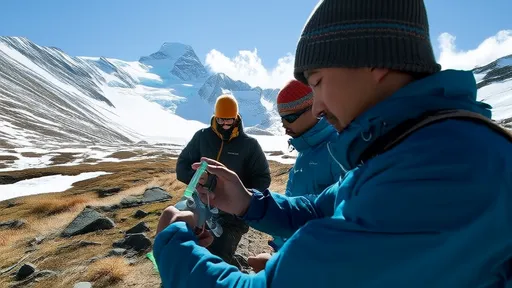
Technological aids have enhanced safety in remote high-altitude environments. Pulse oximeters allow travelers to monitor blood oxygen saturation, providing objective data to supplement symptom observation. Satellite communication devices enable emergency contact in areas without cellular coverage, while GPS technology assists with navigation in challenging terrain. These tools complement, but do not replace, the fundamental principles of altitude awareness and conservative decision-making.
The psychological aspects of high-altitude travel deserve equal attention to physical preparation. Maintaining realistic expectations, developing mental resilience, and practicing sound judgment under stress contribute significantly to safety outcomes. Group dynamics play a crucial role, as expedition members must prioritize collective safety over individual ambitions and maintain open communication about physical conditions and concerns.
Returning from high altitude completes the journey but doesn't end the consideration of altitude effects. Many travelers experience a period of readjustment to lower elevations, sometimes called "reverse altitude sickness" or re-entry phenomena. While generally mild, these symptoms remind us that the body requires time to adapt to environmental changes in both directions. Reflecting on your experience provides valuable insights for future high-altitude adventures, helping you refine your approach to preparation and response.
Ultimately, respect for mountain environments and understanding of physiological limitations form the foundation of safe high-altitude travel. The mountains offer breathtaking experiences and unparalleled adventure, but they demand preparation, awareness, and humility from those who venture into their heights. By integrating knowledge of prevention, recognition, and response strategies, travelers can confidently explore the world's high places while minimizing risks and maximizing enjoyment of these extraordinary environments.

By /Aug 22, 2025

By /Aug 22, 2025
By /Aug 22, 2025

By /Aug 22, 2025

By /Aug 22, 2025

By /Aug 22, 2025

By /Aug 22, 2025

By /Aug 22, 2025

By /Aug 22, 2025

By /Aug 22, 2025
By /Aug 22, 2025

By /Aug 22, 2025

By /Aug 22, 2025

By /Aug 22, 2025

By /Aug 22, 2025

By /Aug 22, 2025

By /Aug 22, 2025

By /Aug 22, 2025

By /Aug 22, 2025

By /Aug 22, 2025
