Traveling to popular destinations offers an incredible opportunity to immerse oneself in new cultures, and a significant part of that experience revolves around food. However, ensuring that your culinary adventures don’t lead to unpleasant surprises requires a bit of foresight and knowledge. Whether you're wandering through night markets in Southeast Asia, indulging in street food across Latin America, or dining in European bistros, being mindful of food safety can make all the difference between a memorable journey and one hampered by discomfort.
One of the first things to consider when eating in bustling tourist spots is the general cleanliness of the establishment. Take a moment to observe the surroundings. Are the tables wiped down? Is there proper waste disposal? Often, the busiest stalls with high turnover are your best bet, as the food is likely fresh and hasn’t been sitting out for long. Locals usually know where to find the safest and most delicious options, so if you see a crowd of residents flocking to a particular vendor, it’s generally a good sign.
Water and beverages demand special attention in many parts of the world. In regions where tap water isn’t potable, it’s crucial to stick to sealed bottled water and avoid ice in drinks unless you’re certain it was made with purified water. Freshly squeezed juices might be tempting, but unless you’ve seen the preparation or trust the source, it’s safer to opt for packaged drinks. Similarly, be cautious with salads and raw vegetables, as they are often rinsed in local water, which could introduce contaminants to your system.
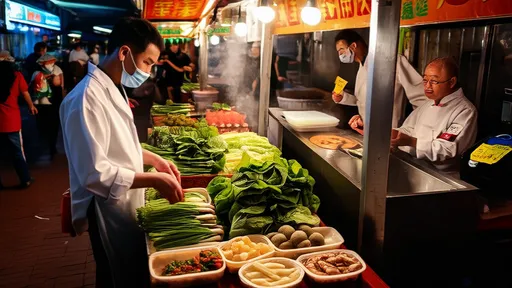
When it comes to street food, the allure is undeniable—the sizzle of a grill, the aroma of spices, the vibrant colors of freshly prepared dishes. Yet, this is where many travelers encounter issues. Focus on food that is cooked to order and served hot. Avoid items that have been pre-cooked and left sitting at room temperature, as these can become breeding grounds for bacteria. Also, pay attention to the vendor’s hygiene practices. Are they handling money and food with the same hands? Do they use utensils or serve with bare hands? These small details can significantly impact your safety.
Another aspect often overlooked is the importance of personal hygiene. Always carry hand sanitizer or wet wipes, especially when eating on the go. Before digging into that delicious-looking snack, make sure your hands are clean. It’s a simple step, but one that can prevent many common travel-related illnesses. Additionally, consider carrying a small pack of tissues or napkins, as these aren’t always readily available at street food stalls.
Menus in tourist areas might feature exotic dishes that are unfamiliar. While it’s wonderful to be adventurous, exercise caution with raw or undercooked meats, seafood, and dairy products, particularly in areas where refrigeration might be inconsistent. If you’re unsure about a dish, don’t hesitate to ask questions about how it’s prepared. Most vendors are happy to explain, and it’s better to be safe than sorry.
Seasonality also plays a role in food safety. In warmer climates, food spoils more quickly, so be extra vigilant during hot weather. Similarly, during rainy seasons, water sources might be compromised, affecting both drinking water and produce. Adjust your choices based on the time of year and local conditions. A little research beforehand about the destination’s climate and common food safety issues can go a long way.
It’s not just about what you eat but also how much you eat. Overindulging, especially in rich, spicy, or unfamiliar foods, can upset your stomach even if the food is perfectly safe. Pace yourself and listen to your body. Start with small portions to see how you react before committing to a larger meal. This approach allows you to enjoy a variety of foods without overwhelming your digestive system.
Lastly, trust your instincts. If something about a place or a dish doesn’t feel right, it’s okay to walk away. There are plenty of other options, and your health is worth more than taking a risk. Remember, the goal is to savor the experience, not to end up spending your vacation dealing with food poisoning. With a mindful approach, you can enjoy the incredible flavors of your travels while staying safe and healthy.
Exploring the culinary landscape of a new destination is one of the greatest joys of traveling. By paying attention to cleanliness, making informed choices, and listening to your body, you can minimize risks and maximize enjoyment. So go ahead, indulge in that local delicacy, try that street food you’ve been curious about, and toast to a journey filled with delicious, safe, and unforgettable meals.

By /Aug 22, 2025

By /Aug 22, 2025

By /Aug 22, 2025

By /Aug 22, 2025

By /Aug 22, 2025

By /Aug 22, 2025

By /Aug 22, 2025

By /Aug 22, 2025

By /Aug 22, 2025
By /Aug 22, 2025

By /Aug 22, 2025

By /Aug 22, 2025

By /Aug 22, 2025

By /Aug 22, 2025

By /Aug 22, 2025

By /Aug 22, 2025

By /Aug 22, 2025

By /Aug 22, 2025

By /Aug 22, 2025

By /Aug 22, 2025
