As you step into the vibrant chaos of a crowded tourist attraction—be it the sun-drenched plazas of Barcelona, the bustling night markets of Bangkok, or the historic squares of Rome—the thrill of exploration is often shadowed by an undercurrent of vulnerability. Your wallet, snug in your back pocket, and your smartphone, casually held for that perfect shot, become prime targets in these dense throngs of people. The art of safeguarding personal belongings in such environments is not merely a set of rules but a mindset, a continuous awareness woven into the fabric of your travel experience. It begins long before you arrive at the destination, rooted in preparation and a conscious choice to prioritize security without sacrificing enjoyment.
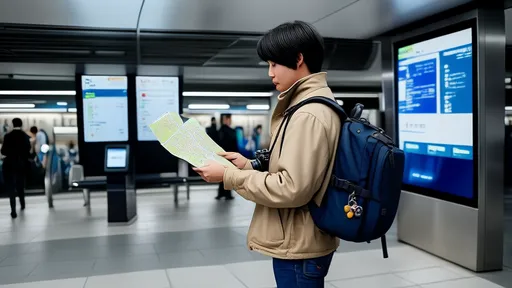
One of the most effective strategies is to render your valuables invisible to potential thieves. This involves avoiding obvious storage spots like back pockets, open totes, or external backpack compartments, which are low-hanging fruit for pickpockets. Instead, consider investing in anti-theft accessories such as slash-proof crossbody bags with locking zippers, hidden travel pouches that rest beneath clothing, or even minimalist wallets that fit discreetly into front pockets. The goal is to create physical and visual barriers; for instance, wearing a money belt under your shirt or opting for clothing with internal security pockets can make your items virtually inaccessible. Additionally, avoid flashing expensive gadgets or large amounts of cash in public. If you need to check your phone for directions, do so quickly and then stow it away securely, rather than lingering with it exposed. Remember, thieves often scout for distracted tourists—those engrossed in their screens or juggling maps and cameras—so projecting confidence and attentiveness can itself be a deterrent.
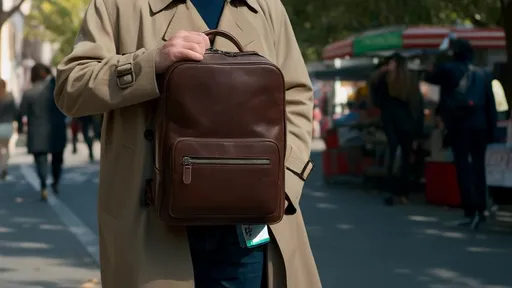
Beyond concealment, spatial awareness is your greatest ally. In crowded areas, maintain a heightened sense of your surroundings. Keep your bag in front of you where you can see or feel it, ideally with a hand resting on it during peak congestion. When navigating through packed spaces like subway cars or festival crowds, be mindful of sudden bumps or distractions—common tactics used to disorient victims while accomplices strike. It’s also wise to avoid placing items on restaurant tables, public benches, or other exposed surfaces, even momentarily. A split-second lapse is all it takes for a skilled thief to swipe a phone left unattended. For added security, consider using tethers or straps for high-value items like cameras, and if you’re carrying a backpack, use all available clips and locks to secure compartments. Some travelers even opt for decoy items, such as a cheap wallet with a small amount of cash, to satisfy any opportunistic thief while protecting their real valuables hidden elsewhere.
Technology can further fortify your defenses. Enable security features on your devices, such as biometric locks, strong passwords, and tracking apps like Find My iPhone or Google Find My Device, which can help locate or remotely wipe a stolen phone. RFID-blocking wallets or sleeves are also useful for protecting credit cards from electronic skimming, a growing threat in crowded areas. However, don’t let technology lull you into a false sense of security; the human element remains paramount. Stay connected with travel companions by establishing meeting points and keeping an eye on each other’s belongings. Solo travelers might consider joining group tours or using social media communities to share real-time alerts about high-risk zones. Ultimately, the blend of low-tech vigilance and high-tech tools creates a robust shield against theft.
Finally, cultivate habits that minimize risk without detracting from your experience. Distribute your valuables—avoid keeping all cash, cards, and IDs in one place. Store backups digitally in secure cloud services and carry only what you need for the day. Stay informed about local scam trends; for example, some destinations see spikes in distraction techniques like fake petitions, street performances, or spills designed to divert attention. Trust your instincts—if a situation feels off, move away calmly. And should the worst happen, ensure you have copies of important documents and know how to contact local authorities or your embassy. By embracing these practices, you transform anxiety into empowerment, allowing you to immerse fully in the wonders of your journey while keeping your possessions safe.

By /Aug 22, 2025
By /Aug 22, 2025
By /Aug 22, 2025

By /Aug 22, 2025

By /Aug 22, 2025

By /Aug 22, 2025
By /Aug 22, 2025

By /Aug 22, 2025
By /Aug 22, 2025

By /Aug 22, 2025

By /Aug 22, 2025

By /Aug 22, 2025

By /Aug 22, 2025
By /Aug 22, 2025
By /Aug 22, 2025

By /Aug 22, 2025
By /Aug 22, 2025

By /Aug 22, 2025
By /Aug 22, 2025

By /Aug 22, 2025
