Stepping onto the vast grasslands of Inner Mongolia during the Naadam Festival is like entering a living tapestry of tradition, strength, and unbridled celebration. The air, crisp and carrying the distant scent of earth and livestock, hums with an energy that is both ancient and exhilarating. For travelers seeking an authentic cultural immersion far removed from typical tourist trails, timing a journey to coincide with this event is paramount. The festival, deeply rooted in the nomadic heritage of the Mongolian people, is a vibrant display of community pride, where the legendary "Three Manly Games" of wrestling, horse racing, and archery take center stage. This is not merely a spectator sport; it is the soul of a culture on magnificent display.
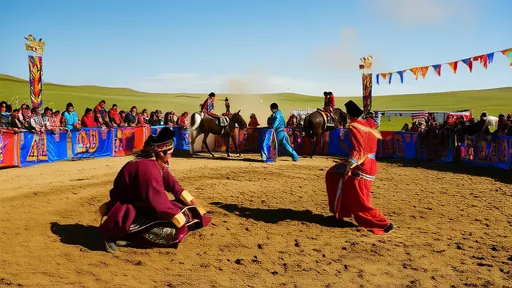
The heart of the experience lies in witnessing these games, a tradition dating back centuries that tests the skill, courage, and endurance of its participants. Wrestling, or Bökh, is the most revered of the three. It is a spectacle of raw power and technique, where titans clad in traditional leather boots and a distinctive jacket (the "zodog") and shorts (the "shuudag") grapple under the endless blue sky. There are no weight classes and no time limits; a match continues until one contestant touches the ground with any part of his body above the knee. The dances the wrestlers perform as they enter the arena, mimicking eagles or lions, are as much a part of the contest as the grappling itself, a ritual to showcase strength and intimidate opponents.
Equally breathtaking are the horse races, which are unlike any track event in the Western world. The jockeys are children, boys and girls as young as five years old, symbolizing the importance of youth, vitality, and the future. These young riders, often riding bareback, guide their horses across astonishing distances of 15 to 30 kilometers across the open steppe. The sight of these small figures, moving in perfect unison with their powerful mounts as a cloud of dust trails behind them, is profoundly moving. The race is less about speed alone and more about endurance, strategy, and the deep, symbiotic bond between horse and rider—a cornerstone of nomadic life. The celebration for the winning horse is immense, with songs and poems recited in its honor, elevating its status to that of a national hero.
Completing the trio is archery, a discipline demanding immense focus, precision, and a steady hand. Using traditional composite bows made from layers of wood, horn, and sinew, archers—both men and women—take aim at a row of small leather targets called "surs" placed on the ground. The distance is considerable, and the tension is palpable as each archer draws their bow, their entire body poised in concentration before the release. The thrum of the bowstring and the soft thud of an arrow hitting its mark are sounds that punctuate the festival's auditory landscape. It is a silent, dignified contest that contrasts with the explosive energy of wrestling and the thunderous excitement of the races, yet it commands no less respect.
To truly experience the Naadam Festival and the Three Manly Games, timing your visit is absolutely critical. The most grand and famous celebration is held in the capital city of Hohhot, typically around mid-July, often coinciding with the anniversary of the founding of the Inner Mongolia Autonomous Region. However, for a more intimate and arguably more authentic experience, seeking out smaller, local Naadam festivals held across the grasslands throughout the summer months, from June through August, is highly recommended. These local gatherings, while smaller in scale, are often richer in traditional flavor and offer greater opportunities for interaction with local families.
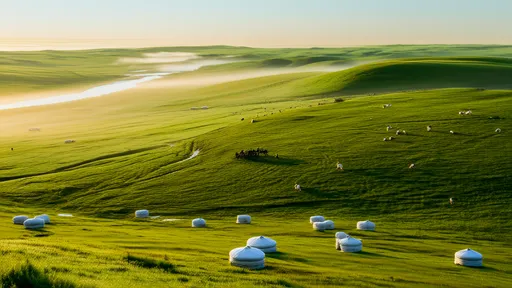
The summer season is undeniably the ideal window. The weather is at its most hospitable, with warm days, cool nights, and the grasslands exploding in a lush, vibrant green. This period allows for comfortable travel and participation in outdoor activities beyond the festival itself, such as staying in a traditional Mongolian yurt (ger), learning about nomadic herding practices, and sampling hearty local cuisine like roasted lamb and savory milk tea. Traveling in the peak of summer ensures you witness the culture in its fullest, most vibrant expression, under the brilliant sun of the Mongolian plateau.
Attending the Naadam Festival is more than just watching games; it is a deep dive into the ethos of the Mongolian spirit. It is about feeling the collective gasp of the crowd as a wrestler is lifted, sharing the triumphant joy as a young jockey crosses the finish line, and admiring the quiet skill of a master archer. It is about the shared bowls of airag (fermented mare's milk), the resonant throat singing that echoes as the sun sets, and the profound sense of community that binds everyone together. For any traveler with a thirst for genuine adventure and cultural connection, aligning your journey with the rhythm of the Naadam Festival is an unparalleled opportunity to witness living history and the enduring strength of the Mongolian people.
By /Aug 22, 2025

By /Aug 22, 2025
By /Aug 22, 2025
By /Aug 22, 2025

By /Aug 22, 2025

By /Aug 22, 2025

By /Aug 22, 2025
By /Aug 22, 2025

By /Aug 22, 2025
By /Aug 22, 2025
By /Aug 22, 2025
By /Aug 22, 2025
By /Aug 22, 2025
By /Aug 22, 2025
By /Aug 22, 2025
By /Aug 22, 2025

By /Aug 22, 2025
By /Aug 22, 2025
By /Aug 22, 2025

By /Aug 22, 2025
