Traveling with family is one of life's greatest joys, but it also comes with the responsibility of keeping everyone healthy and safe, from the youngest to the oldest members. A well-prepared travel medical kit is not just a convenience; it is an essential part of any journey. Whether you're embarking on a cross-country road trip, flying to a tropical paradise, or exploring a bustling foreign city, having the right medications on hand can mean the difference between a minor hiccup and a major disruption. This guide will walk you through the considerations and contents for building a comprehensive medical kit that caters to the everyday and emergency needs of your entire family.
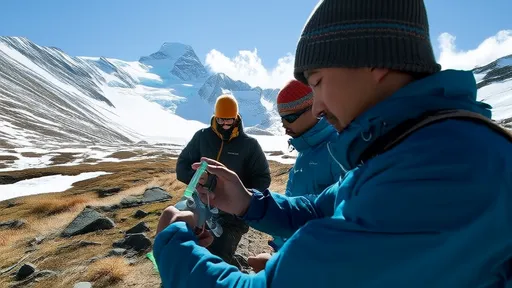
Before you even begin assembling your kit, it's crucial to assess the specific health needs of your travel companions. A family medical kit is not one-size-fits-all. The needs of a toddler are vastly different from those of a grandparent. Start by considering any pre-existing conditions. Does anyone have allergies, asthma, diabetes, or heart conditions? These require specific prescription medications that should be packed in ample supply, along with copies of the prescriptions themselves. Next, think about age-specific needs. Infants might require fever reducers in liquid form, while adults might prefer tablets. Don't forget to factor in the destination and activities. A beach vacation calls for strong sun protection and aloe vera for burns, while a hiking trip in the mountains necessitates blister care and antihistamines for bug bites.
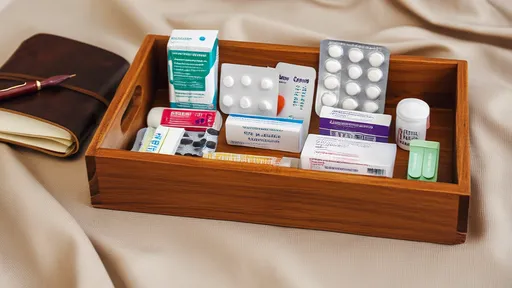
The cornerstone of any family medical kit is the collection of medications for common, everyday ailments. These are the minor illnesses and discomforts that can pop up at any time, regardless of your location. Pain and fever relief is paramount. Ibuprofen and acetaminophen are must-haves, and it's wise to carry both children's and adult formulations. For stomach troubles, which are incredibly common when trying new foods or due to changes in routine, include an antacid for heartburn, an anti-diarrheal medication, and an electrolyte solution powder to prevent dehydration, especially in young children. Cold and allergy symptoms can also strike unexpectedly. Pack a decongestant, antihistamines for allergic reactions, cough drops, and a child-friendly cough syrup. A multi-symptom cold medicine can be a lifesaver for adults feeling under the weather.
While we hope never to need them, emergency supplies are the most critical part of your kit. These items address more serious situations where immediate care is needed before professional help can be reached. A comprehensive first-aid kit is the foundation. This should include a variety of adhesive bandages in different sizes, sterile gauze pads, adhesive tape, antiseptic wipes, and blunt-tipped scissors. It should also contain tools like tweezers for removing splinters and a digital thermometer. For more significant wounds, include an antibiotic ointment to prevent infection and butterfly bandages or steri-strips to close small cuts. It is also highly advisable to include a guide to basic first aid, as stress can make it difficult to remember proper procedures in the moment.
Beyond pills and bandages, there is a whole category of supportive care and preventative items that contribute immensely to comfort and health. Skincare is a big part of this. A high-SPF, broad-spectrum sunscreen is non-negotiable for everyone, along with aloe vera gel or cream to soothe sunburns. Lip balm with SPF is also easily overlooked but important. For insect-prone areas, a reliable insect repellent containing DEET or picaridin is essential, as is a hydrocortisone cream or calamine lotion to relieve the itch of bites. Don't forget hydration eye drops for dry climates or airplane air and moisturizing cream for general skin care. If you are traveling to a remote area, adding a few extra items like a instant cold pack, a emergency blanket, and a CPR face shield could be prudent.
Packing your kit wisely is just as important as what you put in it. Organization is key. Use a durable, waterproof, and clearly labeled bag with multiple compartments. This makes it easy to find what you need quickly in a stressful situation. Keep all medications in their original containers with clear labels to avoid confusion and to smooth any interactions with customs officials. It is a best practice to split your supplies between two bags if possible; keep a small kit with essential day-to-day items in your daypack or purse for excursions, and leave the larger, comprehensive kit in your hotel room or car. This ensures you are never caught without your most important medications. Finally, make a checklist and review it before every trip, restocking any used or expired items.
Creating a thorough travel medical kit for your family requires some forethought, but the peace of mind it provides is invaluable. It allows you to handle minor ailments confidently and be prepared for more serious situations, ensuring that a health issue doesn't derail your precious vacation time. By taking the time to customize your kit based on your family's unique needs and your travel itinerary, you are investing in the health, safety, and overall enjoyment of your adventure. So before you zip up your suitcase, double-check that kit. It’s the most important travel companion you will ever have.

By /Aug 22, 2025

By /Aug 22, 2025
By /Aug 22, 2025

By /Aug 22, 2025

By /Aug 22, 2025

By /Aug 22, 2025

By /Aug 22, 2025

By /Aug 22, 2025
By /Aug 22, 2025

By /Aug 22, 2025

By /Aug 22, 2025

By /Aug 22, 2025

By /Aug 22, 2025

By /Aug 22, 2025

By /Aug 22, 2025

By /Aug 22, 2025

By /Aug 22, 2025

By /Aug 22, 2025

By /Aug 22, 2025
By /Aug 22, 2025
