As the sun's rays grow more intense with each passing season, the quest for effective sun protection becomes increasingly vital. While most consumers recognize the importance of wearing sunscreen, the confusion surrounding SPF (Sun Protection Factor) selection for different environments remains widespread. The laboratory testing behind these products reveals a complex interplay between protection levels, skin types, and exposure scenarios that goes far beyond the numbers on the bottle.
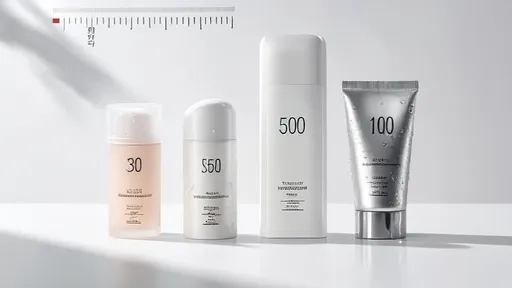
Modern sunscreen laboratories employ sophisticated equipment that simulates solar radiation to measure how effectively a product protects against UVB rays, which cause sunburn, and UVA rays, which contribute to premature aging and skin damage. The SPF number primarily indicates protection against UVB radiation, with higher numbers offering greater protection. However, the relationship isn't linear—SPF 30 blocks about 97% of UVB rays, while SPF 50 blocks approximately 98%, and SPF 100 blocks around 99%. This marginal increase demonstrates that no sunscreen can provide complete protection.
For everyday urban environments with limited sun exposure—such as commuting to work or running errands—dermatologists and laboratory experts generally recommend SPF 30 as adequate protection. This level proves sufficient for brief exposures to sunlight during typical daily activities. The key factor in these scenarios isn't necessarily the SPF number but rather the consistency of application and reapplication. Most people apply only 25-50% of the recommended amount of sunscreen, significantly reducing the actual protection received.
When considering outdoor leisure activities like gardening, golfing, or casual park visits, the protection requirements shift substantially. These scenarios typically involve several hours of intermittent sun exposure, necessitating a minimum of SPF 30-50 with broad-spectrum coverage. Laboratory stress tests show that products labeled "broad spectrum" must provide proportional protection against both UVA and UVB rays to meet regulatory standards in most countries. The water resistance of the formulation becomes another critical factor, as perspiration can diminish protection even without swimming.
Beach days and water activities present one of the most challenging environments for sun protection. The combination of direct sunlight, reflective surfaces (water and sand can reflect up to 25% of UV radiation), and extended exposure times demands robust protection. Laboratory testing for water resistance involves subjecting sunscreen-treated skin to water immersion periods—40 minutes for basic water resistance and 80 minutes for superior protection. For these scenarios, SPF 50+ with maximum water resistance provides the necessary defense against intense UV exposure.
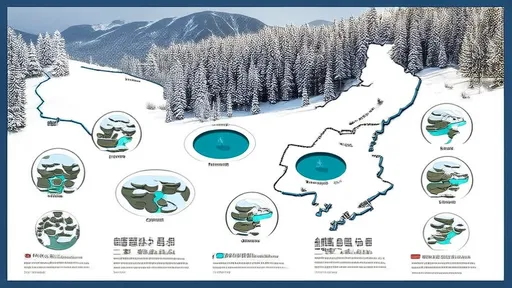
High-altitude environments like mountain hiking or skiing introduce unique challenges that many consumers underestimate. UV radiation increases approximately 4% with every 300 meters (1000 feet) of elevation gain, meaning protection needs escalate dramatically in mountainous regions. Snow can reflect up to 80% of UV radiation, effectively doubling exposure. Laboratory simulations for these conditions recommend specialized high-altitude sunscreens with SPF 50+ and enhanced protection against both UVA and UVB rays, along with formulations that resist degradation under intense radiation.
Athletes and outdoor workers face perhaps the most demanding sun exposure conditions. prolonged activity often involves heavy perspiration, friction from clothing or equipment, and continuous sun exposure throughout peak UV hours. Sunscreen laboratories have developed specialized testing protocols that simulate these harsh conditions, leading to recommendations for sport-specific formulations with very high SPF (50+), extreme water and sweat resistance, and quick-absorbing textures that won't interfere with performance. The photostability of the active ingredients becomes particularly important for these extended exposure scenarios.
Sensitive skin types and children require special consideration in sunscreen selection. Laboratory testing for these products involves additional safety and irritation assessments. Mineral-based sunscreens containing zinc oxide or titanium dioxide often receive recommendation for these groups, as they provide physical barrier protection and are less likely to cause irritation. While these formulations traditionally offered lower SPF levels, technological advancements have created high-protection mineral options that meet the needs of even the most sensitive users.
The timing of application proves equally important as the SPF selection itself. Laboratory studies demonstrate that sunscreens require approximately 15-20 minutes to form a complete protective film on the skin. Many users mistakenly apply sunscreen immediately before sun exposure, leaving them vulnerable during the critical initial period. Furthermore, the concept of reapplication remains poorly understood—protection diminishes over time due to photodegradation, perspiration, and physical contact, necessitating reapplication every two hours, or more frequently during water activities or heavy sweating.
Beyond the SPF number, modern sunscreen technology incorporates additional protective elements that laboratories continue to refine. Antioxidant additives help neutralize free radicals generated by UV exposure, while DNA repair enzymes assist in correcting UV-induced damage. These advancements represent the cutting edge of sun protection research, moving beyond mere prevention toward active cellular defense. The integration of these technologies allows lower SPF formulations to provide enhanced protection through multiple mechanisms.
Environmental factors have recently emerged as significant considerations in sunscreen development. Laboratory research now examines the impact of sunscreen ingredients on marine ecosystems, particularly coral reefs. This has led to the development of reef-safe formulations that avoid certain chemical filters while maintaining high protection levels. Consumers increasingly seek products that balance personal protection with environmental responsibility, driving innovation in both formulation and testing methodologies.
The future of sun protection lies in personalized solutions based on individual skin types, genetic factors, and specific environmental conditions. Laboratories are developing advanced testing methods that account for these variables, moving toward customized protection recommendations. Smart sunscreen technology incorporating UV sensors and reminder systems represents another frontier in sun protection innovation. These developments promise to transform sun protection from a generic numbers game to a precisely tailored defense strategy.
Understanding that proper application often outweighs the importance of extremely high SPF numbers represents the most practical laboratory insight. Consumers frequently seek maximum SPF values while neglecting application quality and frequency. The most effective sun protection strategy combines appropriate SPF selection for specific scenarios with conscientious application habits, protective clothing, and sensible sun exposure behavior. This comprehensive approach, validated through rigorous laboratory testing, provides the optimal defense against UV damage across all environments and activities.

By /Aug 22, 2025

By /Aug 22, 2025

By /Aug 22, 2025

By /Aug 22, 2025
By /Aug 22, 2025

By /Aug 22, 2025

By /Aug 22, 2025

By /Aug 22, 2025

By /Aug 22, 2025

By /Aug 22, 2025
By /Aug 22, 2025

By /Aug 22, 2025

By /Aug 22, 2025

By /Aug 22, 2025

By /Aug 22, 2025

By /Aug 22, 2025

By /Aug 22, 2025

By /Aug 22, 2025

By /Aug 22, 2025
By /Aug 22, 2025
