Nestled in the lush, mountainous regions of Fujian Province, the Hakka Tulou stand as monumental testaments to communal living and architectural ingenuity. These earthen structures, recognized as UNESCO World Heritage sites, offer more than just a glimpse into history—they provide an immersive cultural experience that transports visitors into the heart of Hakka traditions. Staying overnight in one of these tulou is not merely about finding accommodation; it is about stepping into a living museum where the past and present coexist harmoniously.
The journey to a tulou often begins with a scenic drive through winding roads, where terraced fields and mist-shrouded hills paint a serene backdrop. As you approach, the sheer scale of these circular or rectangular buildings becomes awe-inspiring. Constructed from rammed earth, wood, and stone, they rise like fortresses, their thick walls weathered by centuries of history. The outer facades, adorned with minimal decorations, emphasize functionality and defense, reflecting the Hakka people’s resilience amidst historical migrations and conflicts.
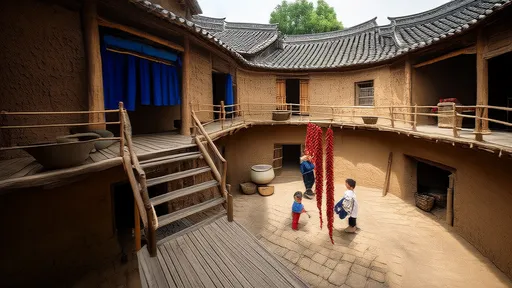
Upon entering, you are immediately enveloped by a sense of community. The tulou are designed as self-contained villages, housing multiple families under one roof. The interior layout is organized around a vast central courtyard, which serves as the heart of daily life—a space for gatherings, celebrations, and shared activities. Rooms are arranged symmetrically across multiple floors, with the ground level dedicated to kitchens and common areas, while the upper floors contain living quarters and storage spaces. This design fosters a close-knit environment where privacy is balanced with collective harmony.
Your stay in a tulou often begins with a warm welcome from the local hosts, many of whom are descendants of the original builders. They greet you with genuine hospitality, offering cups of freshly brewed tea made from local leaves. The accommodations, though simple, are comfortable and thoughtfully arranged to preserve the authentic atmosphere. Traditional wooden furniture, hand-woven textiles, and subtle modern amenities blend seamlessly, ensuring a cozy yet culturally rich experience. As you settle in, the sounds of daily life—children playing in the courtyard, the chatter of elders, the sizzle of woks—create a vibrant soundscape that feels both ancient and alive.
One of the most captivating aspects of tulou life is the opportunity to participate in daily routines. You might join your hosts in preparing meals using age-old recipes passed down through generations. Ingredients are often sourced from the surrounding gardens or nearby markets, emphasizing freshness and locality. Dishes like lei cha (thunder tea rice), yam abacus seeds, and braised pork with preserved vegetables showcase the robust flavors of Hakka cuisine. Cooking together becomes a lesson in history and culture, as stories of ancestral traditions and culinary secrets are shared over chopping boards and steaming pots.
Evenings in the tulou are particularly magical. As dusk falls, lanterns are lit, casting a soft glow against the earthen walls. The courtyard transforms into a communal dining area, where residents and guests gather for hearty meals. Conversations flow freely, bridging language barriers with gestures and smiles. After dinner, you might witness impromptu performances of Hakka folk songs or watch elders play traditional instruments like the dizi (bamboo flute). These moments highlight the enduring spirit of Hakka culture, where art and music remain integral to community bonding.
Beyond the tulou itself, the surrounding landscape invites exploration. Many tulou clusters are set amidst picturesque villages, rice paddies, and bamboo forests. Guided walks reveal hidden pathways, ancient wells, and tranquil temples dedicated to local deities. Your hosts might share tales of feng shui principles that influenced the tulou’s placement, or point out ecological features like the natural ventilation systems that keep the interiors cool in summer and warm in winter. These insights deepen your appreciation for the harmony between human habitation and nature.
Staying in a tulou also offers a chance to engage with preservation efforts. Many of these structures have been adapted for tourism in ways that prioritize sustainability and cultural continuity. Revenue from visitors supports maintenance and educational programs, ensuring that the tulou remain vibrant communities rather than static relics. By choosing to stay here, you contribute directly to these initiatives, helping to safeguard a unique heritage for future generations.
As your visit draws to a close, the memories linger—the warmth of shared meals, the echoes of folk songs, the profound sense of belonging. Departing from a tulou feels like leaving a second home, carrying with you not just photographs, but a deeper understanding of communal values and historical perseverance. The experience transcends typical tourism, offering a transformative journey into the soul of the Hakka people and their extraordinary earthen dwellings.
In a world increasingly dominated by fleeting digital connections and impersonal travel, the Hakka tulou stand as reminders of the power of community, authenticity, and human ingenuity. An overnight stay here is more than an adventure; it is an invitation to slow down, connect with others, and witness a way of life that has endured for centuries. For those seeking meaning beyond the ordinary, the tulou of Fujian offer an unforgettable passage into the heart of a living文化遗产.

By /Aug 22, 2025

By /Aug 22, 2025
By /Aug 22, 2025
By /Aug 22, 2025

By /Aug 22, 2025

By /Aug 22, 2025

By /Aug 22, 2025
By /Aug 22, 2025

By /Aug 22, 2025

By /Aug 22, 2025
By /Aug 22, 2025
By /Aug 22, 2025
By /Aug 22, 2025

By /Aug 22, 2025

By /Aug 22, 2025

By /Aug 22, 2025

By /Aug 22, 2025

By /Aug 22, 2025

By /Aug 22, 2025

By /Aug 22, 2025
