Penguin's Cold Tolerance Mechanism: Survival Experts on the Antarctic Ice Plain

Aug 21, 2025 By

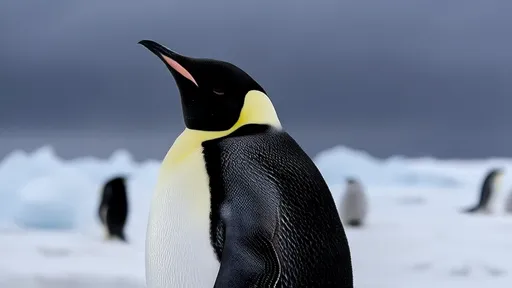
In the vast, frozen expanse of Antarctica, where temperatures plummet to extremes that would be fatal to most life forms, the emperor penguin stands as a testament to evolutionary ingenuity. These flightless birds are not merely surviving; they are thriving in one of the most hostile environments on Earth. Their existence is a masterclass in biological adaptation, a complex symphony of physiological, behavioral, and social strategies honed over millennia. This deep dive explores the multifaceted mechanisms that make the emperor penguin the undisputed survival expert of the Antarctic ice.

The most immediate and obvious challenge is the cold. Air temperatures can dive to a staggering -40°C (-40°F), and wind chill can make it feel far colder. The penguins' first line of defense is their world-renowned plumage. What appears to be a simple tuxedo is, in fact, a highly sophisticated multi-layered insulation system. The outer layer consists of densely packed, overlapping feathers that are highly waterproof. This coating is crucial, as it prevents frigid water from reaching the skin during foraging dives and sheds wind, creating a still layer of air next to the body. Beneath this lies a formidable layer of soft, downy feathers that traps body heat with incredible efficiency. This feathered armor is so effective that emperor penguins can actually overheat on land, a problem they solve by panting, holding their flippers away from their bodies to radiate excess heat, and seeking shade.

Beneath the skin lies another critical adaptation: a thick layer of blubber. This subcutaneous fat can be several centimeters thick and serves a dual purpose. Primarily, it acts as an energy reserve during the long fasting periods of the breeding season, which can last for months. Secondly, and just as importantly, it provides exceptional internal insulation, protecting vital organs from the penetrating cold. This biological wetsuit is a key component of their thermal regulation, ensuring core body temperature remains stable even when external conditions are life-threatening.

Physiology offers even more fascinating secrets. Emperor penguins possess a revolutionary heat exchange system in their limbs known as counter-current heat exchange. Arteries carrying warm blood from the heart run directly alongside veins returning chilled blood from the flippers and feet. In this setup, heat passively transfers from the outgoing arterial blood to the incoming venous blood. The result is that blood reaching the extremities is already pre-cooled, minimizing heat loss to the environment. Conversely, blood returning to the body core is pre-warmed, preventing a dangerous drop in internal temperature. This allows their flippers and feet to operate at temperatures just above freezing, drastically reducing the thermal gradient and thus the rate of heat loss, without risking frostbite or compromising the functionality of these crucial appendages.

Their survival is not a solitary endeavor; it is a collective masterpiece. Perhaps the most iconic image of Antarctic survival is the huddle, or the turtle formation. To withstand the brutal katabatic winds that scream across the ice shelf, thousands of male penguins gather together in a single, massive, rotating swarm. The birds on the windward side, exposed to the full force of the gale, endure the worst of it. The individuals in the center, however, enjoy relative calm and warmth, with temperatures soaring as high as 37.5°C (100°F) inside the huddle. The coordination is remarkable. The entire huddle moves slowly and continuously, with those on the cold outside edges gradually working their way into the warmer center in a constant, life-giving rotation. This ensures that no single bird bears the brunt of the cold for too long, sharing the burden of exposure equally across the colony.

The challenge of reproduction in this frozen world is a saga of extreme endurance. The female lays a single egg in the dead of winter and immediately transfers it to the male's feet before embarking on a long journey to the sea to feed. The male is left with the monumental task of incubating the egg through the darkest and coldest months. He balances it on his feet, covering it with a brood pouch—a warm fold of featherless skin rich in blood vessels. For over two months, he will fast, surviving solely on his fat reserves. He huddles with other males for warmth, losing nearly half his body weight by the time the female returns, just as the chick hatches. This incredible paternal sacrifice is unmatched in the animal kingdom.

Beyond keeping warm, finding food in the frigid Southern Ocean presents its own set of challenges. Emperor penguins are elite divers, capable of plunging to depths of over 500 meters and holding their breath for more than 20 minutes. To achieve this, they have undergone significant physiological changes. Their hemoglobin is specially adapted to efficiently manage oxygen, and they can shut down non-essential organs, directing oxygen and blood flow primarily to the heart and brain. Their solid bones, unlike the hollow bones of flying birds, reduce buoyancy and make deep dives less energetically costly. They prey on fish, squid, and krill, using their exceptional underwater vision to hunt in the near darkness of the deep sea.

The emperor penguin's entire life cycle is a precise dance with the Antarctic environment, timed to the formation and breakup of sea ice. Their resilience is a powerful example of evolution's power. However, this exquisite adaptation to a specific and stable climate is now their greatest vulnerability. The rapid warming of the Antarctic Peninsula and the associated changes in sea ice patterns threaten to disrupt the delicate balance they depend on for breeding and foraging. Conservation efforts are increasingly critical to monitor populations and understand the full impact of a changing climate on these iconic symbols of endurance.

In conclusion, the emperor penguin's ability to conquer the Antarctic cold is not due to one single superpower but a holistic integration of many. It is the combination of their insulative plumage and blubber, their ingenious circulatory system, their unparalleled social cooperation, and their profound physiological adaptations for diving and fasting. They are a perfect package, a marvel of natural engineering built for one purpose: to master the ice. They are not just inhabitants of the Antarctic; they are, in every sense, its ultimate survival experts.
Recommend Posts
Animal

Snowy Owl's Camouflage: The Invisible Hunter of the White World

By /Aug 21, 2025

In the vast, silent expanse of the Arctic tundra, where the landscape is a seemingly endless canvas of white, a master of disguise reigns supreme. The Snowy Owl, a creature of mythic beauty and lethal precision, has perfected the art of invisibility. Its brilliant white plumage, often speckled with subtle bars of dark grey or brown, is not merely for show; it is a sophisticated survival tool, a cloak that renders it nearly undetectable against the snow and ice. This is the story of the white world's unseen hunter, a predator whose success is written in the language of light and shadow.
Animal

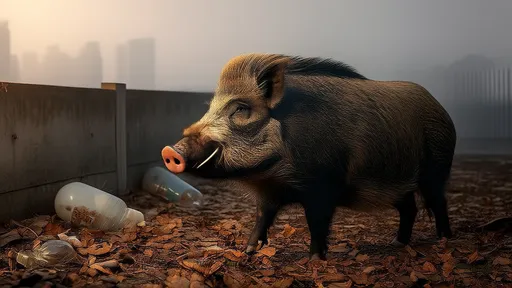
Adaptability of Wild Boars: Urban Fringe Survival Experts

By /Aug 21, 2025

In the shadow of skyscrapers and the hum of urban life, an unlikely survivor thrives with remarkable tenacity. The wild boar, once confined to deep forests and rural landscapes, has emerged as a master of adaptation along the fringes of our cities. These robust creatures navigate a world of concrete and green patches with a cunning that baffles ecologists and unsettles residents. Their story is not one of simple invasion, but a complex tale of resilience, intelligence, and an almost eerie ability to turn human development to their advantage. They are the uninvited guests at our urban picnic, and they are here to stay.
Animal

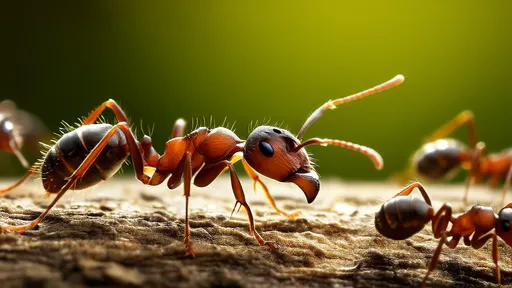
The Ant Communication System: The Mysterious World of Pheromone Language

By /Aug 21, 2025

In the intricate world beneath our feet, a sophisticated communication network thrives, one that has evolved over millions of years yet remains largely enigmatic to human observers. Ant colonies, often perceived as simple aggregates of industrious insects, are in fact complex superorganisms governed by an elaborate system of chemical signaling. This system, known as pheromonal communication, represents one of nature’s most fascinating and efficient languages, allowing colonies comprising thousands or even millions of individuals to function with the coordination of a single entity. The study of this chemical lexicon not only unveils the secrets of ant society but also inspires advancements in technology, from networking algorithms to robotics.
Animal

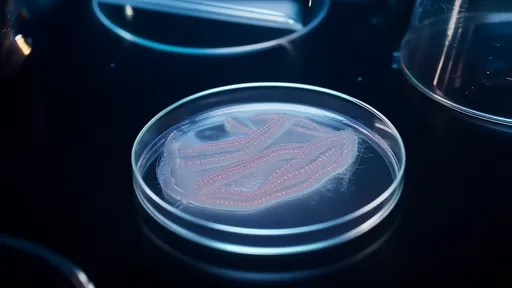
Biomedical Material Research: New Materials Derived from Animals

By /Aug 21, 2025

In the ever-evolving landscape of material science, a quiet revolution is unfolding, one that draws inspiration from the natural world's most ingenious architects: animals. For centuries, humans have looked to nature for solutions, but recent advancements in biotechnology and materials engineering have unlocked unprecedented opportunities to harness and replicate the sophisticated materials produced by various species. This burgeoning field, focused on animal-derived novel materials, is not merely about imitation; it's about understanding deep biological principles and translating them into innovative applications that could redefine industries from medicine to manufacturing.
Animal

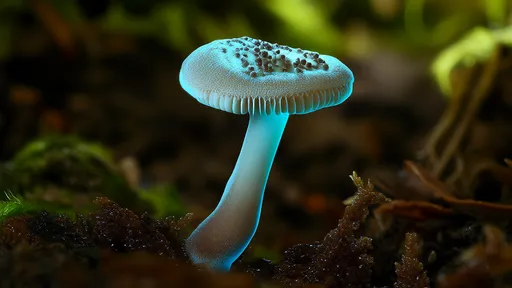
Animal Medicinal Research: A New Drug Treasure Trove in Nature

By /Aug 21, 2025

In the ceaseless quest for novel therapeutics, the natural world has long served as humanity's most profound and generous apothecary. While plants have historically dominated the stage of ethnopharmacology, a new and potent frontier is rapidly gaining prominence: the vast and intricate realm of animal-derived compounds. This exploration into the biochemical arsenals of creatures, from the deepest ocean trenches to the densest rainforests, is revealing a treasure trove of molecules with unparalleled potential to combat some of our most persistent and devastating diseases. The study of zoopharmacognosy—how animals use plants, soils, and insects to treat disease—has now evolved into a sophisticated discipline focused on the direct medicinal properties of the animals themselves.
Animal

Deer's Alert System: Early Warning Experts in the Forest

By /Aug 21, 2025

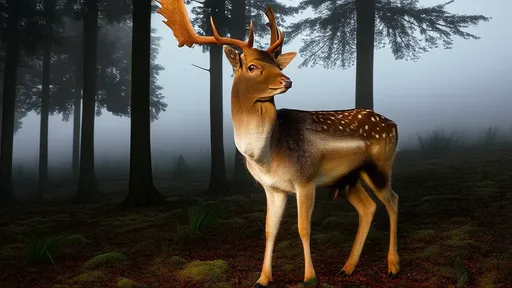
In the quiet heart of the forest, where shadows dance and leaves whisper, there exists a master of vigilance, an unsung sentinel of the wild—the deer. To the casual observer, it may appear as just another graceful creature, a fleeting glimpse of brown and white amidst the trees. But to those who understand the intricate language of the woods, the deer is far more: it is nature's most sophisticated early warning system, a living, breathing alarm that speaks of danger long before human senses can perceive it.
Animal

Penguin's Cold Tolerance Mechanism: Survival Experts on the Antarctic Ice Plain

By /Aug 21, 2025

In the vast, frozen expanse of Antarctica, where temperatures plummet to extremes that would be fatal to most life forms, the emperor penguin stands as a testament to evolutionary ingenuity. These flightless birds are not merely surviving; they are thriving in one of the most hostile environments on Earth. Their existence is a masterclass in biological adaptation, a complex symphony of physiological, behavioral, and social strategies honed over millennia. This deep dive explores the multifaceted mechanisms that make the emperor penguin the undisputed survival expert of the Antarctic ice.
Animal

Polar Bear Hunting: Predatory Strategies of the Ice King

By /Aug 21, 2025

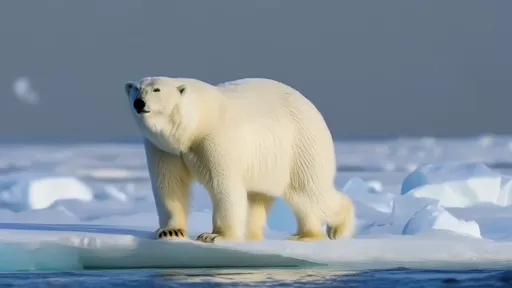
In the vast, frozen expanse of the Arctic, the polar bear reigns as an apex predator, a master of its harsh domain. Its survival is a testament to evolutionary perfection, a complex interplay of physical adaptation, instinct, and learned behavior centered around one critical activity: the hunt. The stark white landscape offers little cover, and prey is often scarce, making every hunting attempt a high-stakes endeavor crucial for the bear's energy-intensive life.
Animal

The Mystery of Bear Hibernation: A Physiological Marvel of Energy Conservation

By /Aug 21, 2025

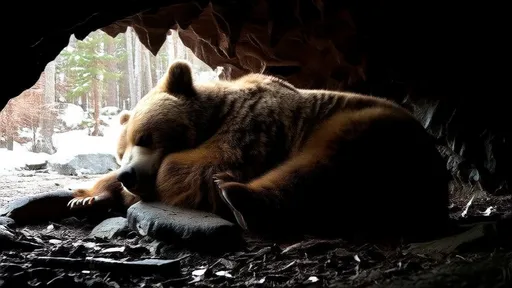
As autumn's vibrant palette fades to winter's monochrome, a remarkable biological drama unfolds in northern forests. Deep within hollowed logs and mountain caves, bears are performing what scientists call the most sophisticated energy conservation strategy in the mammalian world. While many animals hibernate, bears have perfected this art to near-miraculous levels, maintaining their massive bodies for months without eating, drinking, urinating, or defecating.
Animal

The Enigma of Butterfly Migration: Long-Distance Flights with Delicate Wings

By /Aug 21, 2025

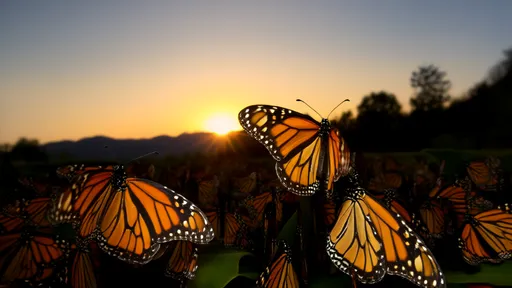
Every autumn, a delicate dance of orange and black descends upon the forests of central Mexico, a spectacle born from one of nature's most profound and fragile journeys. The monarch butterfly, with wings no thicker than a few sheets of paper, embarks on an epic migration spanning thousands of miles—a feat that defies its apparent fragility and continues to mystify scientists and captivate onlookers alike. This annual pilgrimage, a multi-generational relay against staggering odds, represents not just a biological wonder but a poignant narrative of resilience, instinct, and the intricate threads that bind our ecosystem.
Animal

Medicinal Animal Conservation: Balancing Tradition and Modernity

By /Aug 21, 2025

The silent forests and deep oceans hold secrets that have long been the bedrock of human healing. For millennia, communities across the globe have turned to the animal kingdom, not merely for sustenance, but for profound medicinal remedies. The use of animal parts—from the powdered horn of a rhinoceros to the bile of a captive bear—is steeped in tradition, forming an intricate part of cultural heritage and ancient medical systems like Traditional Chinese Medicine (TCM), Ayurveda, and various indigenous practices. This historical reliance represents a deep, symbiotic relationship with nature, where every creature was believed to possess a unique essence capable of restoring balance to the human body.
Animal

Honeybee Social Structure: The Caste System in the Insect Kingdom

By /Aug 21, 2025

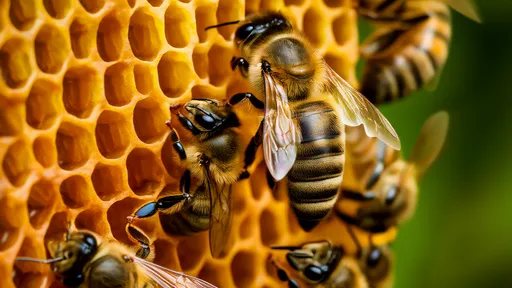
In the dappled sunlight of a flowering meadow, a low hum signals the presence of one of nature's most sophisticated civilizations. The honey bee colony is not merely a collection of insects; it is a superorganism, a single entity composed of thousands of individuals functioning with a precision that has fascinated philosophers, scientists, and poets for millennia. This intricate society operates under a rigid, yet remarkably efficient, caste system that dictates the role and life of every member within the waxen walls of the hive. It is a world of pheromones, dutiful labor, and a single, absolute monarch, offering a profound glimpse into the complexities of social evolution.
Animal

Biomedical Applications Inspired by Animals: Medical Innovations Derived from Nature

By /Aug 21, 2025

In the quiet, almost imperceptible movements of a gecko scaling a vertical glass pane lies a secret that has captivated medical scientists for decades. This remarkable ability, once the sole province of nature's most agile climbers, is now inspiring breakthroughs in surgical adhesives and wound closure techniques that could redefine how we heal the human body. The gecko's foot, with its intricate microscopic hairs and unique adhesive properties, demonstrates an evolutionary marvel of dry adhesion—strong enough to support the animal's weight yet easily detachable without leaving residue. Researchers have painstakingly decoded this biological blueprint, developing medical adhesives that mimic this mechanism for everything from sealing internal surgical incisions to attaching medical devices to moist tissues where traditional adhesives fail. What makes this innovation particularly extraordinary is its responsiveness: much like the gecko can instantly stick and unstick its feet, these medical adhesives can maintain secure attachment under challenging physiological conditions while allowing for clean removal when their purpose is served.
Animal

Utilization of Animal Toxins: The Medical Value of Deadly Venom

By /Aug 21, 2025

For centuries, animal venoms have been regarded with a mixture of fear and awe, synonymous with death and suffering. The mere mention of a cobra's bite or a scorpion's sting evokes primal terror. Yet, in a stunning reversal of perspective, modern science is systematically dismantling this age-old dread, revealing these complex chemical cocktails not as mere instruments of death but as potential reservoirs of life-saving medicine. The very toxins engineered by evolution to swiftly incapacitate prey or deter predators are now being meticulously dissected in laboratories worldwide, their molecular blueprints offering unprecedented insights into human physiology and disease. This journey from feared poison to pharmaceutical treasure represents one of the most fascinating and counterintuitive frontiers in biomedical research.
Animal

Arctic Fox Color Change: Seasonal Protective Color Variations

By /Aug 21, 2025

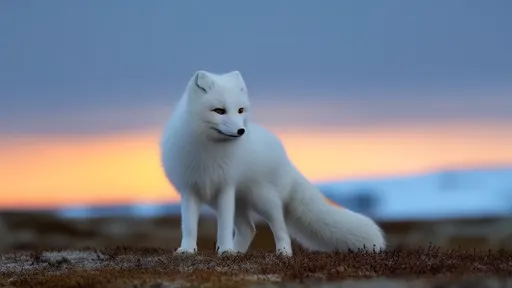
In the vast, windswept expanses of the Arctic tundra, a master of disguise performs a silent, biannual miracle. The Arctic fox, a resilient icon of the far north, undergoes a spectacular transformation not for vanity, but for sheer survival. Its fur, a dense and luxurious coat, does not remain a single, static color throughout the year. Instead, it shifts in a breathtaking display of natural adaptation, morphing from a brilliant, snow-reflecting white in the deep winter to a earthy, rock-and-soil-blending brown and grey for the summer months. This is not a simple change of outfit; it is a sophisticated physiological response to one of the most extreme seasonal shifts on the planet, a direct conversation between the animal's biology and the environment it calls home.
Animal

Squirrels' Storage Strategies: Spreaders of Forest Seeds

By /Aug 21, 2025

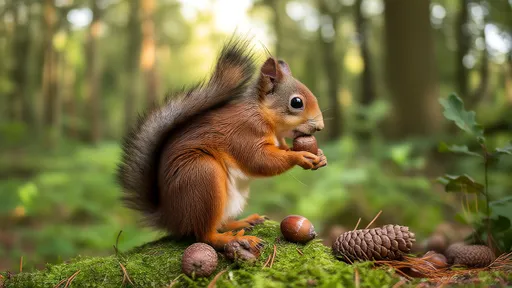
In the quiet rustle of autumn leaves, a familiar sight unfolds across temperate forests worldwide. A small, bushy-tailed creature darts between branches, its cheeks bulging with seeds and nuts. This is not mere hoarding; it is the beginning of a complex ecological relationship that has shaped forest landscapes for millennia. The squirrel, often seen as a playful backyard visitor, is in fact one of nature's most efficient and unwitting foresters, a master of dispersal whose forgetfulness becomes the forest's fortune.
Animal

Mantis Hunting Art: The Silent Assassin's Strategy

By /Aug 21, 2025

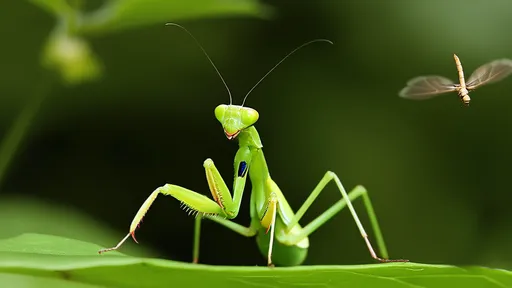
In the dense foliage of gardens and forests worldwide, a master of ambush awaits its unsuspecting prey. The praying mantis, an insect often admired for its prayer-like stance, is in fact one of nature's most efficient and ruthless predators. Its hunting strategy is not one of brute force or overwhelming speed, but a refined art form built on patience, deception, and a lightning-fast strike. This silent killer operates with a chilling precision that has been perfected over millions of years of evolution, making it a fascinating subject for anyone interested in the complexities of predatory behavior.
Animal

The Social Life of Monkeys: The Collective Intelligence of Primates

By /Aug 21, 2025

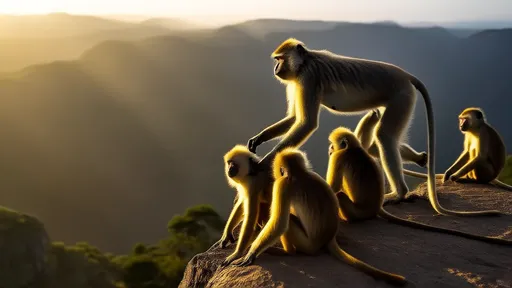
In the dense canopies of tropical forests and across the savannas of Africa, monkeys navigate complex social landscapes that have fascinated scientists for decades. These primates exhibit remarkable forms of collective intelligence that shape their survival, communication, and cultural behaviors. Unlike individual problem-solving seen in many solitary species, monkeys often rely on the accumulated knowledge and coordinated actions of their groups to thrive in challenging environments. Their societies function as dynamic networks where information flows through intricate relationships, creating a tapestry of shared wisdom that has evolved over millions of years.
Animal

Beetle Exoskeleton: A Master of Natural Armor Design

By /Aug 21, 2025

In the vast tapestry of natural engineering, few structures rival the sheer brilliance and resilience of the beetle exoskeleton. These remarkable creatures, with over 400,000 identified species, have perfected the art of survival through an evolutionary masterpiece: an external skeleton that serves as both armor and architecture. This biological innovation is not merely a passive shield but a dynamic, multifunctional system that has inspired human technology for centuries. From the iridescent sheen of the jewel beetle to the rugged, battle-ready carapace of the horned dung beetle, each species showcases a unique adaptation of this extraordinary natural design.
Animal

Muskox's Arctic Gear: Survival Design for Polar Environments

By /Aug 21, 2025

In the stark and unforgiving expanse of the Arctic tundra, where temperatures can plummet to a bone-chilling -40°C and winds howl with relentless fury, survival is a testament to evolutionary genius. Among the few species that not only endure but thrive in this frozen desert is the muskox, a shaggy, prehistoric-looking behemoth. Its very existence is a masterclass in biological engineering, a living fortress designed by millennia of brutal natural selection. This is not merely an animal with a thick coat; it is a perfectly integrated system of thermal regulation, a marvel of insulation and endurance that has captivated biologists and materials scientists alike. Its "anti-cold equipment" offers profound insights into survival in extreme environments, lessons that resonate from the realm of zoology to the cutting edge of human technology.